
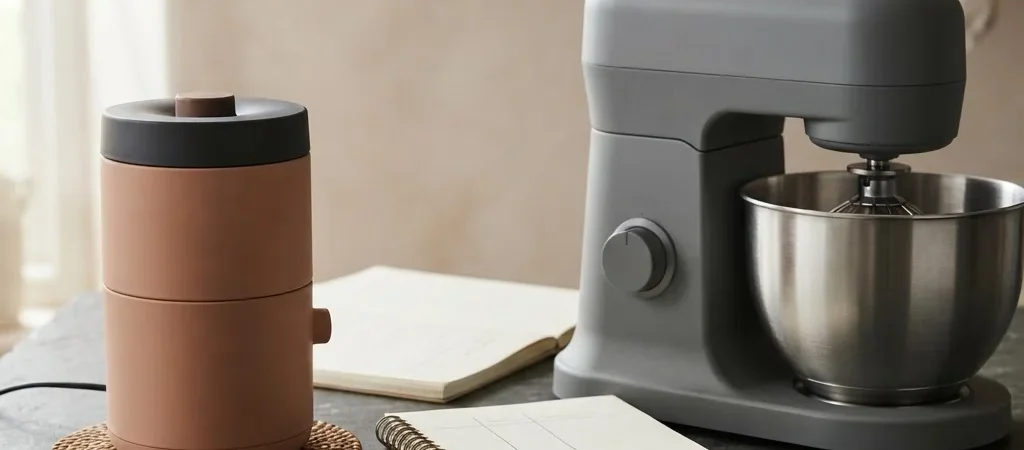
When one product has more settings, accessories, or technical features, it can look like the obvious winner. But counting features treats every difference as equally valuable. A useful comparison asks a harder question: what does each option make easier, and what does it ask you to accept in return?
Choose Shared Comparison Criteria
Start with a small set of criteria that apply to every option, such as fit, ease of use, upkeep, space, and cost. The exact criteria depend on the product: for a desk chair, adjustment and footprint may matter; for a blender, capacity and cleanup may matter more. Keeping the same questions across products makes their differences easier to see.
A comparison becomes less helpful when one option is praised for convenience and another is judged only on specifications. Consistent criteria do not mean pretending that all products are alike. They mean explaining differences on terms the reader can follow.
Give Each Difference Context
A compact design might suit a small apartment but offer less capacity than a larger alternative. A simpler control layout may reduce confusion, while leaving fewer ways to customize the experience. Neither trade-off is automatically a flaw; its importance depends on the person and the space.
That context is the heart of a comparison. Instead of declaring a feature better, explain when it makes a meaningful difference and when it may not. Readers can then weigh the option against their own priorities rather than borrowing someone else’s.
Separate Evidence From Judgment
A clear review distinguishes a verifiable detail, such as dimensions listed by the manufacturer, from an assessment, such as whether the layout seems convenient. It should also be transparent about what its evaluation can and cannot establish. That distinction matters especially when the reviewer has not used the product directly.
When a comparison lays out criteria, context, and evidence, you can disagree with its priorities and still use its reasoning. Look for that structure—not a winner chosen by the longest feature list.